
BPC-157 10 mg –
Overview:
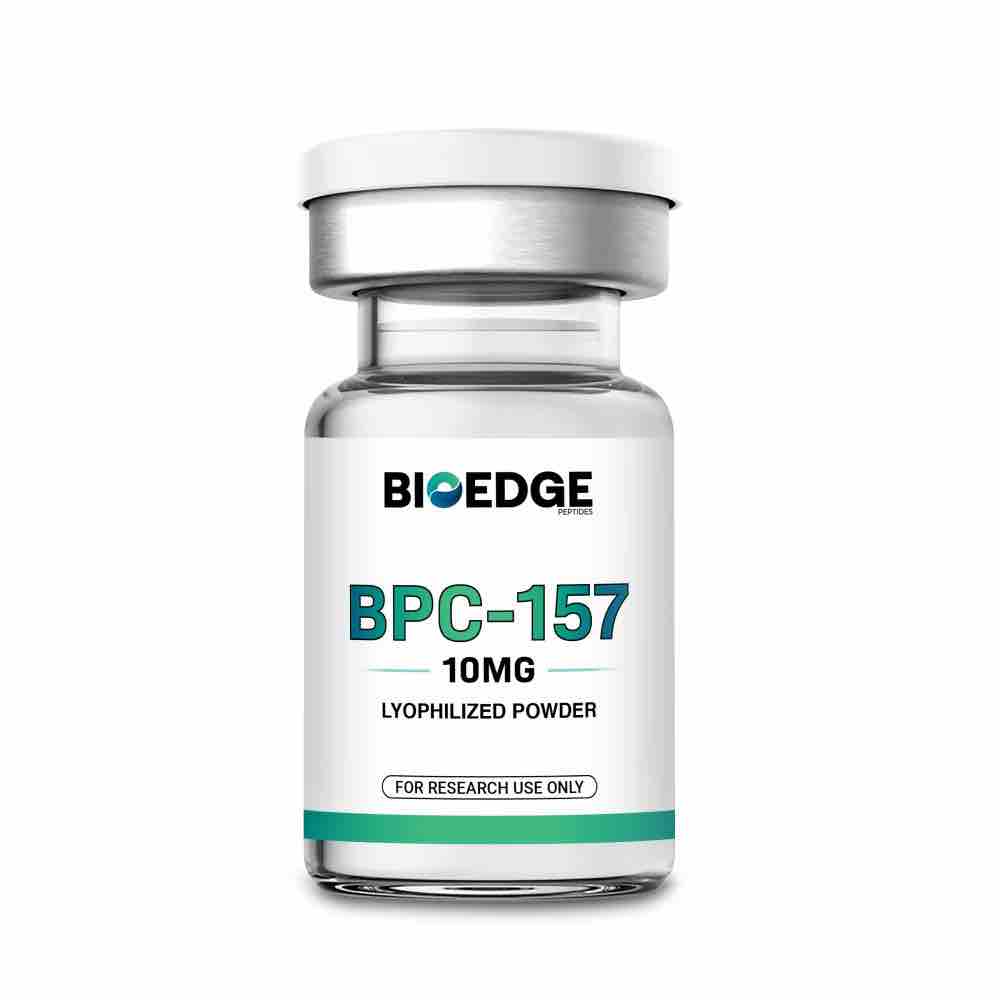
BPC-157 (Body Protection Compound-157) is a synthetic peptide made of 15 amino acids, originally derived from a protective protein found in human gastric juice. It is commonly supplied in a 10 mg lyophilized (freeze-dried) vial and is widely used in laboratory and experimental research focused on tissue repair and regeneration.
Key Features:
- Active Compound: BPC-157 (pentadecapeptide)
- Dosage/Form: 10 mg per vial
- Formulation: Lyophilized powder (white/off-white)
- Purity: Typically ≥99% (HPLC-tested)
- Category: Research peptide (not an approved medicine)
Mechanism of Action (Research Context):
BPC-157 is studied for its ability to influence several biological pathways:
- Promotes angiogenesis (formation of new blood vessels)
- Enhances nitric oxide signaling and cellular repair pathways
- Supports fibroblast activity and tissue regeneration
- May protect and stabilize gut lining and internal tissues
Common Research Applications:
- Muscle, tendon, and ligament injury models
- Wound healing and tissue regeneration studies
- Gastrointestinal research (ulcers, inflammation)
- Cellular recovery and angiogenesis experiments
Physical & Handling Information:
- Appearance: White/off-white powder in sealed vial
- Reconstitution: Requires sterile/bacteriostatic water for lab use
- Storage:
- Unmixed: −20 °C for long-term stability
- After mixing: 2–8 °C (refrigerated)
Difference: 5 mg vs 10 mg
- Same compound, just double the total quantity
- 10 mg vial typically lasts longer and is often more cost-efficient per mg
- Concentration depends on how it is reconstituted, not vial size (lab context)
Safety & Warnings:
- Not approved for human or veterinary use
- Sold strictly for research purposes only
- Increasing global concern due to:
- Lack of clinical human studies
- Potential contamination in unregulated markets
- Unknown long-term effects
Possible reported risks (non-clinical/anecdotal):
- Injection site reactions
- Fatigue, headaches
- Hormonal or metabolic disturbances
Legal Status:
BPC-157 is generally classified as a research chemical and is not approved as a pharmaceutical drug in most countries. Its sale and use are often restricted outside laboratory settings.
Important Note:
This information is for educational purposes only. BPC-157 remains an experimental compound, and any non-research use carries significant health and legal risks. Always consult a qualified healthcare professional before considering any substance.
Reviews
Clear filtersThere are no reviews yet.